






pH值检测:测量土壤的酸碱度水平,影响植物生长和养分 availability,标准范围通常在6.0到7.5之间,用于评估土壤适宜性和潜在酸化或碱化问题。
有机质含量检测:测定土壤中有机物质的百分比,反映土壤肥力和结构稳定性,高有机质含量可改善水分 retention 和微生物活动,支持农业可持续发展。
重金属含量检测:分析土壤中铅、镉、汞等有毒金属的浓度,评估环境污染风险,超标水平可能危害生态系统和人类健康,需定期监测以符合安全标准。
氮含量检测:量化土壤中氮元素的含量,氮是植物生长关键养分,不足或过量会影响作物 yield 和 environmental balance,通过化学方法精确测定。
磷含量检测:测量土壤中磷的可用性,磷参与能量 transfer 和 root development,检测有助于优化 fertilization 策略,避免 eutrophication 问题。
钾含量检测:评估土壤中钾元素的水平,钾影响植物 water regulation 和 stress resistance,检测数据用于指导 nutrient management 和 soil amendment。
水分含量检测:确定土壤中水分的百分比,影响 plant growth 和 soil structure,通过 gravimetric 或 sensor-based 方法进行,用于 irrigation planning 和 drought assessment。
粒度分析:分析土壤颗粒的大小分布,如 sand、silt 和 clay 比例,决定土壤 texture 和 permeability,用于 engineering 和 agricultural applications。
盐分含量检测:测量土壤中可溶性盐的浓度,高盐分会导致 soil salinization 和 plant toxicity,通过 electrical conductivity 方法进行评估和 mitigation。
微生物活性检测:评估土壤中微生物群落的活动水平,反映 soil health 和 nutrient cycling,使用 biological assays 来监测 decomposition 和 biodiversity。
农业土壤:用于作物种植和 livestock grazing 的 land,检测确保养分平衡和避免 contamination,支持 food security 和 sustainable farming practices。
工业用地土壤: former industrial sites 或 manufacturing areas,可能含有 hazardous substances,检测评估 pollution levels 和 remediation needs。
建筑工地土壤: construction sites 和 urban development areas,检测 focus on stability and contaminant presence,确保 safety 和 regulatory compliance。
园林绿化土壤: parks、gardens 和 landscaped areas,检测评估 fertility and aesthetics,用于 plant selection and maintenance planning。
污染场地土壤: areas affected by spills or waste disposal,检测 identifies pollutants like hydrocarbons or heavy metals, guiding cleanup efforts。
城市土壤: urban environments with high human activity,检测 monitors compaction and contaminant accumulation, supporting green infrastructure development。
森林土壤: woodland and natural reserves,检测 evaluates nutrient cycles and ecosystem health,用于 conservation and management strategies。
湿地土壤: marshlands and riparian zones,检测 assesses water retention and biodiversity, important for environmental protection and restoration。
矿区土壤: mining sites and tailings areas,检测 focuses on heavy metal and acid mine drainage,用于 reclamation and risk assessment。
垃圾填埋场土壤: landfill sites and waste management areas,检测 monitors leachate impact and gas emissions, ensuring environmental safety。
ASTM D4972-2019 Standard Test Method for pH of Soils:提供了土壤pH值测定的标准化方法,使用电极和 calibration solutions,确保结果准确性和可比性 across different laboratories。
ISO 10390:2021 Soil quality — Determination of pH:国际标准用于土壤pH测定,规定了 sample preparation and measurement procedures,促进全球数据 consistency。
GB/T 17138-1997 土壤质量 铅、镉的测定 石墨炉原子吸收分光光度法:中国国家标准 for heavy metal detection in soil,使用 atomic absorption spectrometry 精确量化 lead and cadmium levels。
ISO 14235:1998 Soil quality — Determination of organic carbon by sulfochromic oxidation:国际标准用于有机碳含量测定,通过 chemical oxidation 方法,评估 soil fertility and carbon sequestration。
GB/T 50123-2019 土工试验方法标准:中国国家标准 covering various soil tests,包括 moisture content and grain size analysis,用于 engineering and agricultural applications。
pH计:用于测量土壤溶液的酸碱度,具备 electrode sensor and digital display,功能包括 calibration and temperature compensation,确保 pH readings 的准确性在土壤检测中。
原子吸收光谱仪:分析土壤样品中金属元素的浓度,通过 light absorption principles,功能包括 sample digestion and quantification,用于重金属污染检测。
气相色谱仪:分离和鉴定土壤中的有机化合物,如 pesticides and hydrocarbons,功能包括 injection system and detector,评估有机污染物水平。
水分测定仪:测定土壤水分含量,使用 gravimetric or capacitive methods,功能包括 sample weighing and data logging,用于 irrigation management and research。
粒度分析仪:分析土壤颗粒 size distribution,通过 laser diffraction or sieving,功能包括 particle sizing and statistics,决定土壤
销售报告:出具正规第三方检测报告让客户更加信赖自己的产品质量,让自己的产品更具有说服力。
研发使用:拥有优秀的检测工程师和先进的测试设备,可降低了研发成本,节约时间。
司法服务:协助相关部门检测产品,进行科研实验,为相关部门提供科学、公正、准确的检测数据。
大学论文:科研数据使用。
投标:检测周期短,同时所花费的费用较低。
准确性高;工业问题诊断:较约定时间内检测出产品问题点,以达到尽快止损的目的。


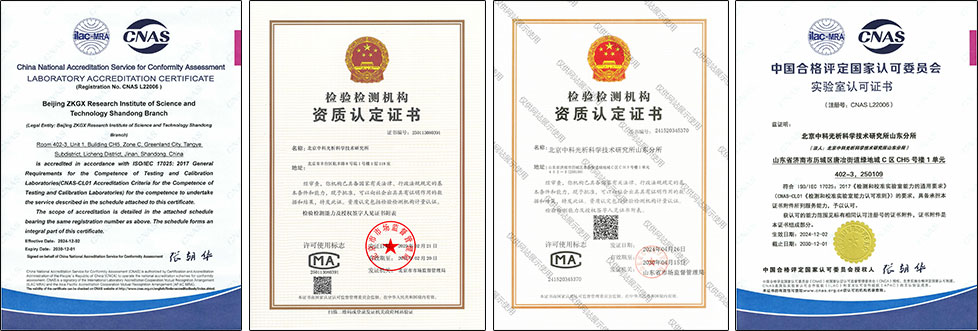
第三方检测机构,国家高新技术企业,工程师科研团队,国内外先进仪器!

 中析
官方微信公众号
中析
官方微信公众号
 北检
官方微视频
北检
官方微视频
 中析
官方抖音号
中析
官方抖音号
 中析
官方快手号
中析
官方快手号
 北检
官方小红书
北检
官方小红书
 北京前沿
科学技术研究院
北京前沿
科学技术研究院